
The global woodworking and furniture manufacturing sectors are undergoing a massive transformation driven by Industry 4.0, smart factory integration, and lean manufacturing principles. As production lines become faster and more automated, the final and most critical phase of the factory floor—packaging and logistics—is gaining unprecedented strategic importance.
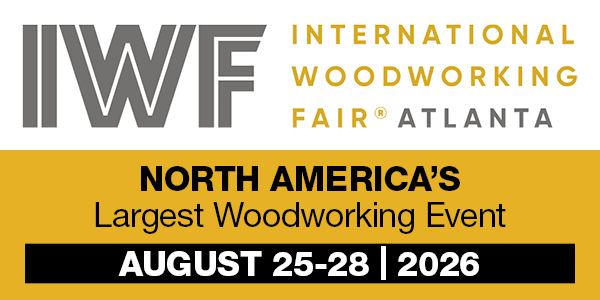
As North America’s largest woodworking technology event, the International Woodworking Fair (IWF 2026) in Atlanta, Georgia (August 25–28, 2026), serves as the ultimate benchmark for these industrial shifts. From heavy-duty CNC machining centers to end-of-line packaging automation, the fair highlights how advanced engineering solves complex operational bottlenecks.
The End-of-Line Bottleneck in Modern Woodworking
Modern high-speed manufacturing setups require a seamless flow from raw timber to the final ready-to-ship pallet. Global machinery giants such as Stiles Machinery (HOMAG) and Biesse continue to revolutionize the early and mid-stages of fabrication with state-of-the-art sizing, edgebanding, and multi-axis CNC routing technologies. Similarly, prominent industrial suppliers like SCM Group and Felder Group push the boundaries of automated solid wood processing.
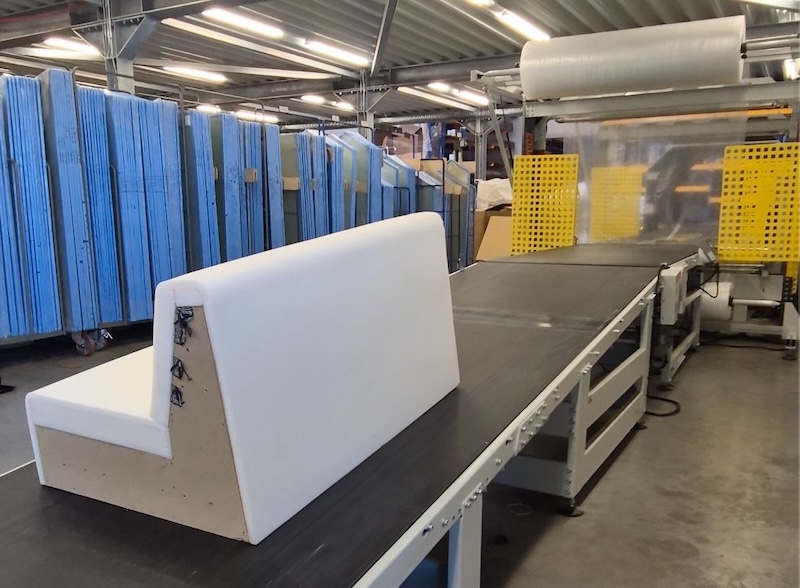
However, high-volume output introduces a new logistical challenge: How do factories protect these meticulously engineered wooden panels, flat-pack furniture kits, and delicate profile assemblies during transit?
Manual wrapping methods frequently create costly bottlenecks, waste excessive stretch film, and fail to guarantee consistent transit security. To address this, forward-thinking manufacturers are upgrading to fully automated, high-throughput end-of-line systems.
Integrating A-to-Z Packaging Solutions into Smart Woodworking
To maintain the efficiency gained during the cutting and shaping phases, packaging lines must evolve in tandem with production capacities. This is where specialized heavy-duty machinery bridges the gap between manufacturing and secure distribution.
Long-time international exhibitors like Edda Packaging Machines have spent years refining dedicated A-to-Z packaging solutions tailored specifically for the rugged demands of the woodworking sector. By focusing heavily on horizontal orbital wrapping technologies, these systems ensure that elongated panels, furniture parts, and pre-assembled cabinets are tightly secured without risking surface scratches or moisture damage.
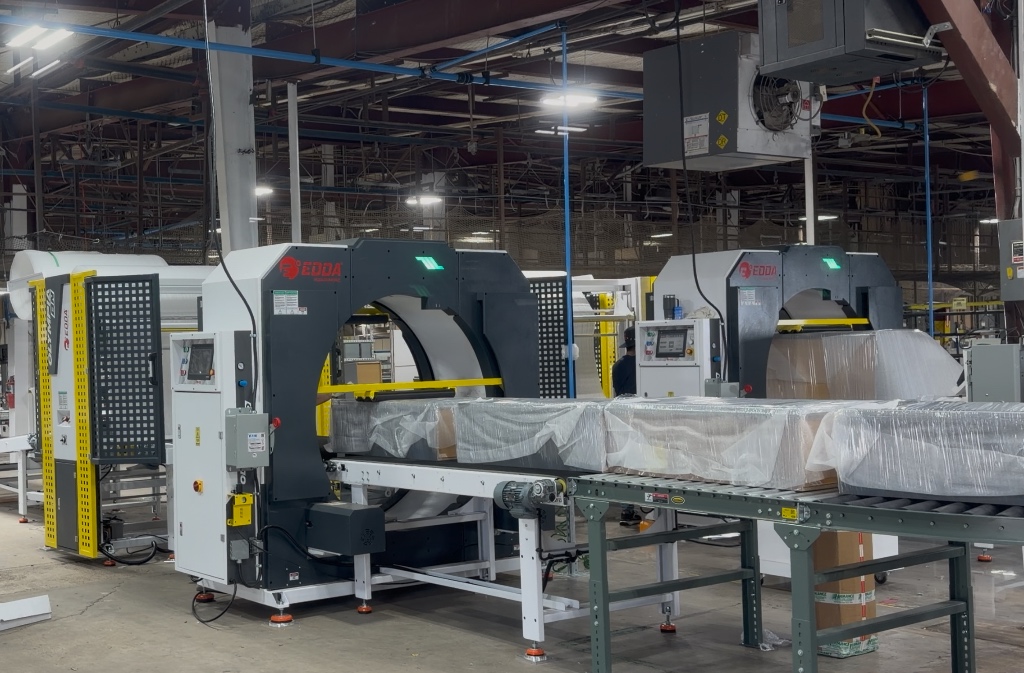
For a comprehensive technical deep-dive into how these engineering practices protect delicate components, manufacturers can review Edda’s analysis on advanced packaging technology in furniture, sofa, and window industries.
Technical Advantages of Horizontal Orbital Wrapping
When analyzing transit security for heavy or awkwardly shaped wooden components, traditional vertical turntable wrappers often fall short. Industry standardizations are rapidly shifting toward specialized orbital wrappers, which rotate the film carriage vertically around a horizontally moving product.
The integration of these automated lines yields distinct operational advantages:
- Optimized Film Consumption: High-efficiency machinery utilizes precise pre-stretch film carriages, minimizing material waste while maximizing load stability.
- Surface and Edge Protection: Structural wooden elements, high-gloss boards, and custom doors remain tightly bound, mitigating the risk of zero-damage claims upon delivery.
- Seamless Conveyor Synchronization: Modern automated wrappers are designed to integrate directly downstream from major sanders, edgebanders, or assembly stations.
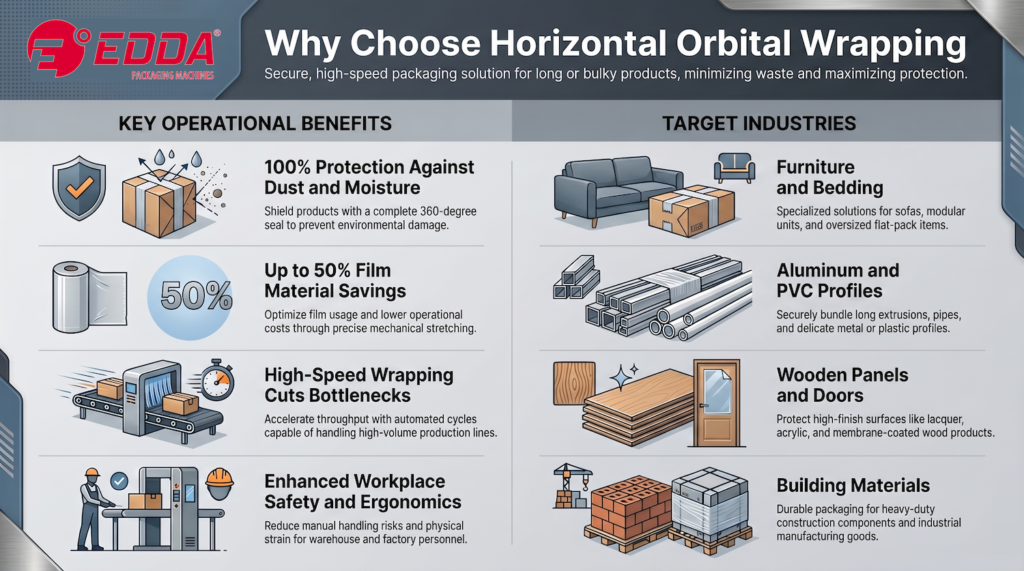
Engineering teams looking to understand the precise mechanical ROI and load-bearing metrics of these setups can explore this comprehensive guide to horizontal orbital wrapping machines for a detailed breakdown of industry applications.
Global Distribution and On-Site Consultation at IWF 2026
Unlocking true operational efficiency requires more than just high-end machinery; it demands robust local technical support, immediate spare parts availability, and expert regional distribution. In North America, major industrial distributors such as Wurth Baer Supply Company play a pivotal role in delivering comprehensive equipment setups, integration expertise, and reliable supply chains directly to automated wood processing facilities.
For manufacturing facilities evaluating an upgrade to their automated end-of-line logistics or seeking custom-engineered configurations prior to the Atlanta exhibition, engineering consultations and direct technical specifications can be coordinated globally through eddapack.com or via direct inquiry at info@eddapack.com.